
If you’re missing teeth, dental implants can offer a long-lasting way to restore your smile’s function and appearance. But what if you have a metal allergy? If you’ve reacted to jewelry or other metal products in the past, you might worry that traditional titanium dental implants aren’t right for you.
Fortunately, you may still have options! Understanding the materials used in dental implants and discussing your concerns with your dentist can help you find an approach that suits your needs.
Are Dental Implants Made of Metal?
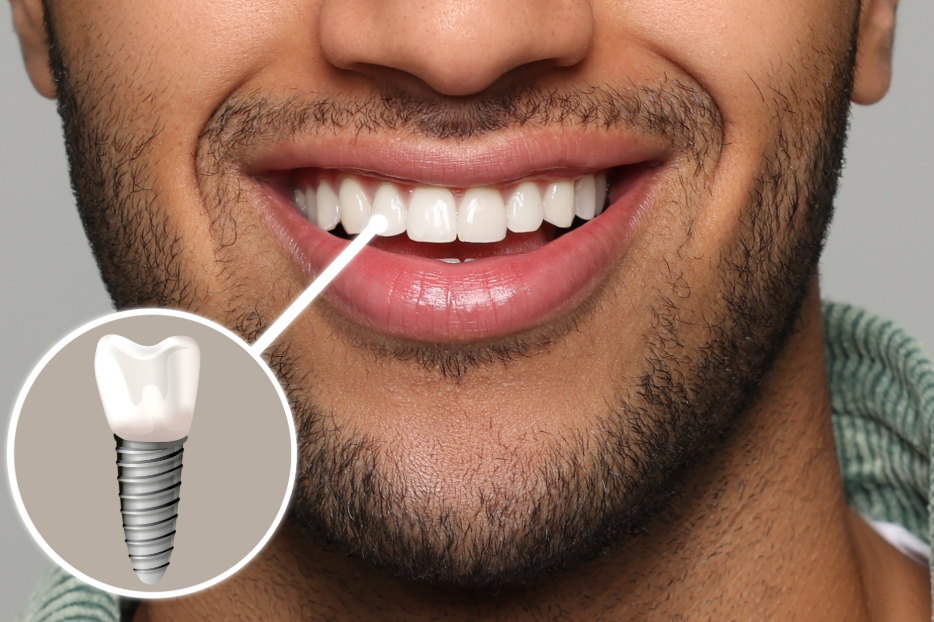
Most traditional dental implants are made of titanium, a strong, biocompatible metal that bonds with the jawbone through a process called osseointegration. This connection creates a stable foundation for replacement teeth.
Titanium has a long history of successful use in dental implants, and true titanium hypersensitivity appears to be uncommon. However, other metals, alloys, or materials used in dental restorations may cause reactions in some individuals.
If you’ve experienced a metal allergy, don’t assume you’ll automatically react to a titanium implant. Nickel allergies, for example, don’t necessarily mean you’ll have a problem with titanium. Your dentist can review your medical and allergy history to help determine which materials may be appropriate.
What Are the Signs of a Possible Metal Allergy?
Allergic reactions to dental implant materials are uncommon, and symptoms can overlap with other dental complications. Possible warning signs may include persistent inflammation around the implant, redness, swelling, or irritation of nearby oral tissues.
However, these symptoms don’t automatically indicate an allergy. Infection, gum disease, and problems with the implant’s integration into the jawbone can cause similar issues.
If you already have an implant and develop ongoing discomfort or inflammation, schedule a dental evaluation rather than assuming the implant material is responsible. Identifying the actual cause is essential for choosing the right treatment.
Can I Get Metal-Free Dental Implants?
Yes! Zirconia dental implants offer a ceramic, metal-free alternative to traditional titanium implants. Made from zirconium dioxide, these implants can provide a stable foundation for replacement teeth while avoiding the use of metal in the implant itself.
Zirconia is generally considered highly biocompatible, making it an option worth discussing if you have a documented metal allergy or prefer to avoid metal materials.
However, zirconia implants aren’t automatically the best choice for everyone. Their design, placement requirements, and available long-term evidence differ from those of titanium systems. Your dentist will need to consider your oral health, jawbone condition, and individual treatment goals before recommending an option.
How Can I Find the Right Implant Option?
The first step is to discuss your allergy history during your dental consultation. Explain which metals have caused reactions, what symptoms you experienced, and whether a healthcare professional confirmed the allergy.
Your dentist may recommend working with an allergist or dermatologist if your history raises concerns about a particular material. Testing for suspected titanium intolerance has limitations, so no single allergy test can reliably determine every patient’s suitability for titanium implants.
You should also discuss the materials used in the entire restoration, including the implant components and replacement tooth. This helps your dental team consider potential sensitivities beyond the implant post itself.
A metal allergy doesn’t necessarily mean you have to live with missing teeth. With a thorough evaluation and an individualized treatment plan, you can explore options for restoring your smile with confidence.
About the Practice
Kingwood Family Dentistry in Kingwood, Texas, provides comprehensive dental care, including restorative treatments such as dental implants. The practice focuses on helping patients maintain healthy smiles through personalized treatment planning and attentive care. Patients can schedule a consultation to discuss missing teeth, review their oral health needs, and explore appropriate tooth replacement options.
Call us at 281-359-6672 or schedule your appointment online